Description
The Airplane: How Ideas Gave Us Wings – Innovation and the Evolution of Flight
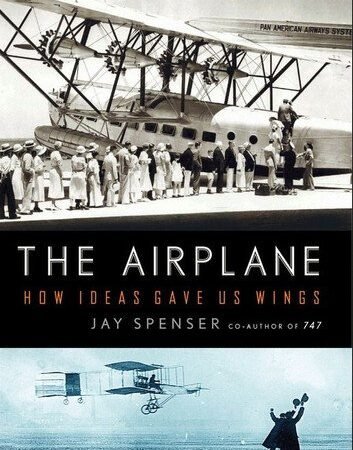
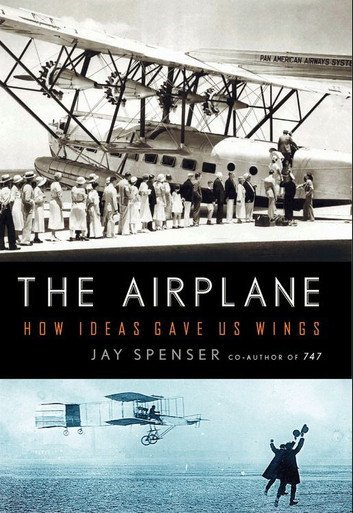
The Airplane: How Ideas Gave Us Wings by Jay Spenser (ISBN: 9780061980442) tells the thrilling story of human flight. Spenser traces the development of the airplane from early dreams to modern marvels. He examines how imagination, engineering, and collaboration allowed people to conquer the skies. The book blends history, science, and storytelling, making the journey accessible and inspiring for readers of all backgrounds.
Early Flight Pioneers: Vision, Experimentation, and Breakthroughs
Spenser introduces readers to early inventors who dared to dream of flight. He details the challenges they faced and the setbacks they endured. However, inventors like the Wright brothers, Otto Lilienthal, and Alberto Santos-Dumont pressed forward with determination and curiosity. Their willingness to take risks led to breakthroughs that changed the course of history.
Key elements that drove early flight innovation include:
- Careful observation of birds and natural flight
- Trial and error with models and gliders
- Sharing knowledge within the scientific community
- Persistence in the face of failure
The Science and Engineering of Airplanes: Progress and Transformation
The book examines how advancements in science and engineering have influenced the evolution of airplanes. Spenser describes the move from wood and fabric biplanes to sleek metal jets. He emphasizes the importance of aerodynamics, engine technology, and materials science in enhancing flight safety and speed. Each technological leap built upon the ideas and discoveries of those who came before.
Moreover, Spenser emphasizes the role of teamwork in aviation history. Engineers, pilots, and visionaries collaborated to solve problems and push boundaries. The book reveals how competition and cooperation shaped the dynamic growth of the aviation industry.
The Airplane’s Impact: Changing Society, Connecting the World
The Airplane: How Ideas Gave Us Wings (ISBN: 9780061980442) concludes by examining the impact of airplanes on society. Spenser shows how aviation revolutionized travel, commerce, and communication worldwide. He encourages readers to appreciate the creativity and persistence that made flight possible. The story of the airplane is a testament to human ingenuity and the power of ideas to lift us to new heights.